
There is no single KameyMall size chart that can determine the fit of every seller's clothing and shoes. The useful chart is the one attached to your exact selected product, interpreted with the same units and measurement method. This guide gives you a repeatable way to compare a garment you own, handle ambiguous charts and request useful warehouse measurements. It does not promise that one letter size or one international conversion works across all listings. Fit decisions should remain tied to the item you are ordering.
Editorial basis: the site’s dated product catalog and measurement, ordering and parcel-planning methods. Product names and images identify listing examples, not tested recommendations. Catalog prices retain their September 1, 2026 snapshot date; verify the selected listing before payment.
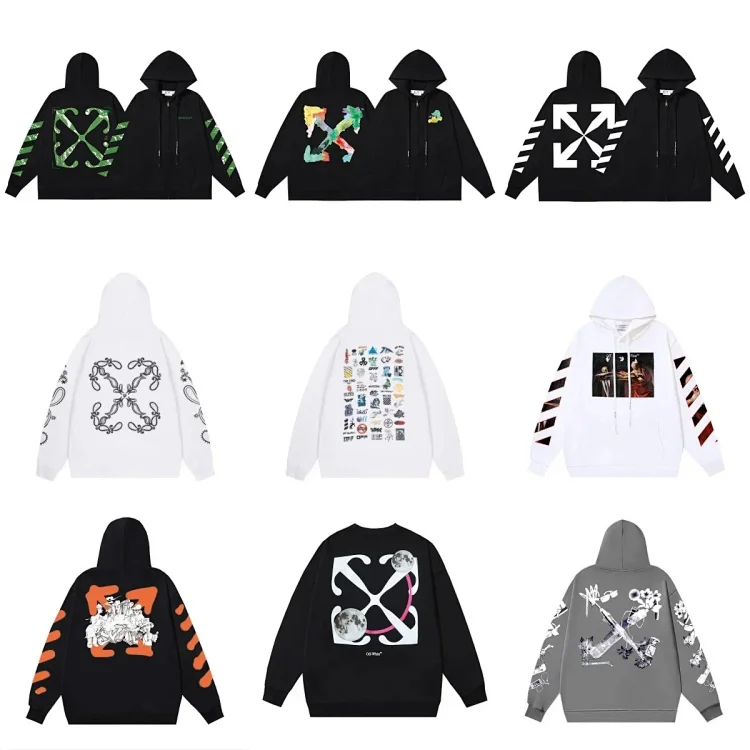
Begin with a reference that already works
Choose a garment of the same general type that fits you the way you want the new item to fit. A fitted running shirt is a poor reference for an oversized sweatshirt because the intended room and construction differ. Lay the reference flat, smooth ordinary folds without stretching it, and note whether it has elastic or a dropped shoulder. Write down the model or a simple description so you can repeat the comparison later.
For footwear, start with the seller's own chart and the type of measurement it requests. Foot length, insole length and an external sole measurement are different quantities. Record both feet if you are measuring your feet and follow the chart's method for socks and standing position where it is provided. Do not turn a familiar EU, UK or US label into an assumed centimeter measurement without checking how that particular listing defines the sizes.
Distinguish body and garment measurements
A body chest circumference goes around a person. A flat garment chest width usually runs from one underarm area to the other across the laid-out item. A garment circumference, when explicitly defined that way, is another format. Read the chart heading and diagram before comparing numbers. If the listing only says chest, ask which measurement it means. Guessing from the size of the number is less reliable than confirming the seller's method.
For a simple example, a 56 cm flat width corresponds to roughly 112 cm around that cross-section of the garment when doubled. This arithmetic does not mean it will fit a person with a 112 cm chest: the garment may need room for movement, and its cut or stretch can affect the result. Use the conversion only to reconcile measurement formats. Do not confuse it with a personal fit recommendation or an allowance that suits every fabric.
Take clothing measurements consistently
Record chest width, body length, shoulder width and sleeve length when those fields appear on the product chart. For trousers, compare the stated waist method, rise, inseam and any relevant thigh or hem dimension. An elastic waist may have relaxed and stretched figures; write down which one you measured. Match the seller's tape endpoints and diagram. A sleeve measured from the center of the back cannot be compared directly with a sleeve measured from the shoulder seam.
Repeat a measurement if the tape moved or the garment was pulled out of shape. Keep the result in one unit and record any uncertainty. If the chart's method remains unclear, send a question that names the exact field rather than asking whether the item is true to size. A useful answer explains what was measured and how. A vague reassurance still leaves you without a comparable number for the decision.
Read units and tolerances before selecting a row
Check whether the chart uses centimeters, inches or a mixture of labels. One inch equals 2.54 centimeters; apply that conversion explicitly rather than comparing the printed numbers alone. Keep enough precision to see a meaningful difference without pretending a casual tape measurement is exact to many decimal places. If a listing has separate charts for different versions, verify that the chart belongs to the option selected in the order form.
Look for the seller's stated measurement tolerance. If no tolerance is given and a small difference would change your purchase, ask before paying. A listed 56 cm chest width should not automatically be treated as a guarantee that every item will measure exactly 56.0 cm. Compare your acceptable range with the available information. When two sizes are plausible, consider all relevant dimensions together rather than deciding from chest width while ignoring a much shorter body length.
Handle oversized, fitted and stretch descriptions
Words such as oversized, slim and relaxed describe an intended silhouette, not a universal size conversion. Compare the proposed measurements with your reference garment and the look you want. An oversized hoodie may combine a wide chest with a short body, so moving up a label size may create a different result from the one pictured. Read each dimension rather than using the descriptive word as an instruction to size up or down.
Stretch introduces another uncertainty because a chart may describe the garment at rest without measuring how it behaves when worn. Photographs do not establish recovery, comfort or the amount of stretch. If that property is essential, ask for the actual material information and any relevant measurement method. Avoid turning a composition label into a precise fit prediction. Construction, fabric treatment and the pattern can affect how garments with similar stated materials fit.
Compare shoe charts without a universal conversion
Find the product-specific chart and identify whether it is based on foot length, a labeled size or another dimension. Follow that chart's instructions and retain the selected option text. Listings may present several numbering systems without explaining whether they are seller conversions or labels on the product. If the chosen row and the displayed option disagree, clarify the mapping before placing the order. Do not assume the closest familiar number is the intended equivalent.
Width and shape matter as well as length. A length measurement alone cannot establish toe room, heel hold or compatibility with an orthotic. A removable insole photograph may help with a particular question, but it is not the same as an internal volume measurement or a trial fitting. Use warehouse images to check the ordered label and visible details, then keep unresolved fit limits explicit. One successful shoe purchase does not validate every model in the same nominal size.
Request a warehouse measurement that answers one question
A useful request names the item, the dimension, the method and the reason it matters. For example, ask for chest width with the sweatshirt flat, measured between the underarm seams, with both tape endpoints visible. If the seller chart uses a different method, copy that method instead. Confirm whether a measurement service is available and whether a charge applies before relying on it. Do not assume every ordinary warehouse photograph includes measurements.
When the photo arrives, check the units, the tape start, the tape end and whether the garment is stretched or folded. Perspective can make a number difficult to read. Ask for clarification if the evidence cannot support a decision, rather than rounding a blurred number toward the answer you prefer. Compare the result with your saved chart and reference, and keep the image attached to the order record in case you need to explain a mismatch.
Decide what a mismatch means before shipping
Separate a wrong label from a measurement difference and from a personal change of preference. A label that differs from the paid selection is a specific order concern. A measured dimension outside the seller's stated range is a different claim and needs the chart plus clear evidence. A garment that matches the description but does not suit your preferred silhouette may be handled differently under current return conditions. Describe the actual issue precisely.
Check the live seller and platform process promptly if you want an exchange or return. Warehouse storage time is not necessarily the time available to request a return, and international shipment can change the practical options. Save the selected variant, chart, measurement photo and message history. Those records make a request easier to understand, but they do not guarantee eligibility or an outcome. Resolve important uncertainty before approving the next stage.
Keep a small personal size record
After delivery, note the listing reference, chosen option, actual garment dimensions and how it fits your intended use. Include the date and any difference after following the supplied care instructions. That record is useful when revisiting the exact same item, and it can provide a reference for a new comparison. It should not become a blanket rule that every seller runs small or every sweatshirt requires the next size up.
For the next purchase, repeat the same short sequence: identify the product chart, match units and methods, compare a suitable reference, clarify missing information and check the received item before international shipping. Use the hoodie, jersey and shoe guides for category-specific details. A consistent measurement method reduces avoidable mistakes more reliably than an unsupported conversion table that treats unrelated products as though they share one pattern.
Product references and related guides
Your next step
Save the exact product and selected option, resolve the details that could change your decision, and check the delivered budget before proceeding. Use the related references to move from a shortlist to a documented order.