
Finding a KameyMall hoodie is easier when you compare a few specific listings instead of collecting dozens of similar photographs. This guide uses the sweatshirt entries in our curated catalog to show how to separate a pullover hoodie from a crewneck, record the exact style, read a size chart and plan the parcel cost. The examples are discovery links, not tested recommendations or proof of authenticity. Start with the design you actually want, then decide which missing details could change your purchase.
Editorial basis: the site’s dated product catalog and measurement, ordering and parcel-planning methods. Product names and images identify listing examples, not tested recommendations. Catalog prices retain their September 1, 2026 snapshot date; verify the selected listing before payment.
Start with a hoodie or sweatshirt shortlist
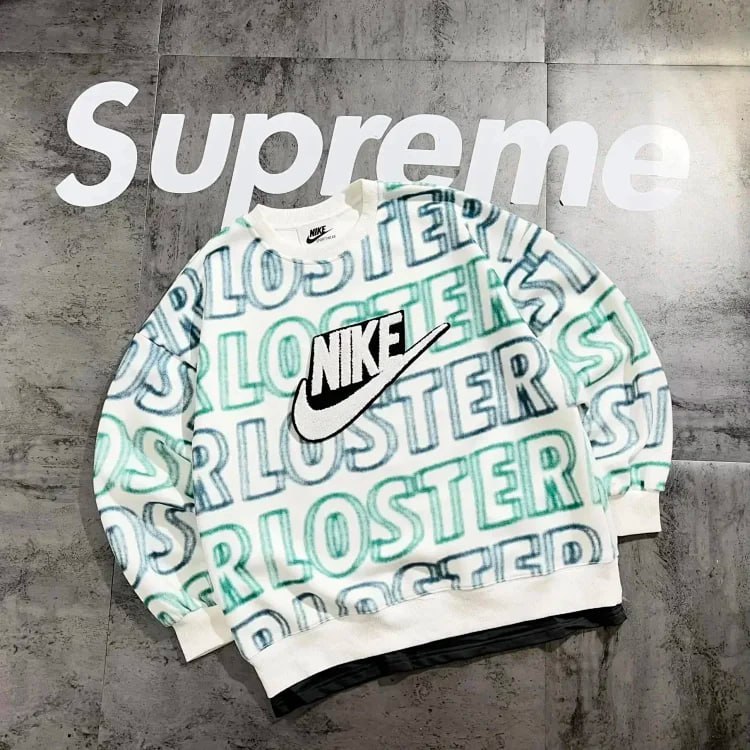
Our sweatshirt category includes the Nike Sweater entry and the Off-White Hoodies entry. The Nike destination was reachable on October 2, 2026 and identifies the item as a graphic crewneck sweatshirt. That distinction matters: a crewneck is not a hooded garment, even when both appear in one category. Use the linked product detail pages below to see the exact reference and open the current listing before comparing options. A familiar brand name alone is not enough to identify a particular garment.
The Off-White catalog entry describes multiple styles. Treat that as a group of options, not one hoodie with a universal specification. Photograph, color, print placement, size chart and price may differ between selections. Save the chosen option text alongside the product reference. If the product has changed since the catalog snapshot, the current selected listing takes precedence; do not order a visually similar replacement without checking its measurements and details again.
Turn the product page into a comparison record
For each candidate, record the garment type, selected style, available measurements, stated fabric information, item price and questions still open. Use the same fields for every listing. One page may provide a detailed chart while another only gives letters such as M or XL. Missing information is a reason to ask a specific question, rather than a reason to assume the second garment follows the first garment's fit. Two items with matching labels can have different dimensions.
Keep the comparison small enough to finish. Three candidates with exact options and measurement records are more useful than thirty saved links with no variant information. Separate non-negotiable requirements from preferences: a zip fastening may be essential, while a slightly different drawstring may not matter. Check the listing date and availability when you return to the shortlist, because a stored catalog reference does not reserve stock or preserve an earlier price.
Measure a sweatshirt that already fits
Lay a sweatshirt you like on a flat surface without stretching it. Measure the chest width between the underarm seams, the body length from the stated shoulder point, shoulder width and sleeve length. Write down how you placed the tape. These are garment measurements, not body measurements. If your reference measures 58 cm across the chest, compare it with another flat chest width; comparing it directly with a 116 cm body or garment circumference would mix different measurement formats.
Match the seller's measurement method before choosing a size. A dropped shoulder changes the relationship between sleeve length and shoulder width. Ribbed hems can make a garment look shorter when relaxed. For an oversized silhouette, compare the extra room with a sweatshirt you already wear rather than automatically ordering a larger letter size. Ask about any tolerance that matters to your fit decision, especially when your reference sits between two chart rows.
Read fabric claims without guessing quality
A listing may mention cotton, fleece, brushed fabric or a fabric weight. Record those claims exactly and look for a composition label when one is shown. A close-up photograph can show a visible surface texture, but it cannot reliably establish softness, breathability, shrinkage or long-term durability. Do not infer a heavy fabric from a thick-looking folded photograph. The camera angle, lighting and packing can all change the impression of thickness.
Fabric weight in grams per square metre and the weight of an entire sweatshirt answer different questions. The first describes fabric mass per area; the second includes the whole garment and its construction. Neither automatically guarantees a better fit or finish. If warmth is the objective, consider the intended use and layering space. If packing is the constraint, wait for the actual received item and packed parcel information before treating a shipping estimate as final.
Plan warehouse photos around your chosen style
Before the item reaches the warehouse, make a short checklist tied to the exact order: color, size label, front design, back design, fastening, pocket arrangement and quantity. For a printed hoodie, compare the visible graphic with the selected option rather than another photograph on the same listing. For a crewneck, check the neckline, cuffs and hem. A matching general color is not enough if the chosen design or garment type is wrong.
Ask for a clearer photograph when an important detail is hidden. If fit depends on a chest measurement, request the garment laid flat with the tape endpoints visible. A folded garment beside a ruler is not an equivalent measurement. Distinguish an unresolved detail from a confirmed defect, and keep the question tied to the order reference. Warehouse photographs are a visual check; they do not certify authenticity, fabric composition or how the garment will feel after washing.
Compare the delivered budget, not the first price
The catalog's CNY amount is a dated item-price reference. It excludes international freight and may not reflect your current selected style. Start a budget with the selected item price, domestic delivery, applicable service or payment charges, and a separate allowance for international shipping. Include any destination charges that actually apply to your situation. Do not use a displayed USD conversion as a promise about the amount your payment provider will charge.
A useful comparison keeps unknown costs visible. Suppose one sweatshirt costs 40 CNY less but its packed dimensions and route eligibility remain unknown. That difference alone does not prove the delivered parcel will be cheaper. Record both item prices, obtain the relevant parcel estimate and compare the same destination, packaging and service assumptions. If the estimate still exceeds your budget after those checks, reduce the shortlist before paying rather than hoping a later shipping adjustment will solve it.
Decide how to pack the garment
A soft garment can often be arranged differently from a rigid product, but the final packing method should protect it and remain suitable for the route. Ask what packaging is included and what an optional service changes. Removing unnecessary retail packaging may reduce bulk; it may also remove something you wanted to keep. Do not assume compression is available, free or appropriate for every print, embellishment or accessory attached to the sweatshirt.
If several items will share a parcel, compare the combined packed estimate with the actual alternatives. Adding one inexpensive hoodie can push a parcel across a weight step or increase its dimensions. A heavier item should not put avoidable pressure on delicate decorations. Keep accepted warehouse photos and the packing request together so that you can distinguish a product concern from a later transport concern. The best packing choice depends on the item and the quoted route.
Use a clear decision before international shipping
Approve a candidate only when the chosen variant, visible condition and measurements satisfy your recorded requirements. If a label is unreadable or a measurement is missing, request clarification before treating the item as accepted. If there is a material mismatch, ask about the current return or exchange process promptly. The time available for a seller return is a separate question from the length of warehouse storage, so check the live rules for that order.
Keep the source listing, selected option, chart, payment record and warehouse evidence until delivery. After the garment arrives, compare the physical measurements with your earlier reference and save what you learn for future orders. A useful personal sizing record names the exact listing and date; it does not turn one successful size into a rule for every seller. Recheck the same details when a listing changes or you choose a different style.
A practical shortlist you can finish
Use the sweatshirt category to find candidates, the product detail pages to preserve references, and the sizing guide to create a consistent measurement record. Move to the QC guide when the selected item reaches the warehouse, then compare parcel costs before releasing it. This sequence gives every click a purpose: discover, identify, measure, inspect and ship. It also makes it easier to stop when a listing cannot answer a question that matters to you.
Before payment, make sure your record contains an exact option, a readable chart, an item-stage budget and a realistic plan for checking the received garment. You do not need a huge collection to make a useful decision. A short list with clearly marked unknowns is easier to compare, update and act on than a list ranked by photographs or unsupported claims about the best batch.
Product references and related guides
Your next step
Save the exact product and selected option, resolve the details that could change your decision, and check the delivered budget before proceeding. Use the related references to move from a shortlist to a documented order.