
A low item price is useful only when the selected product, its condition and the delivered cost still meet your needs. This KameyMall budget finds guide uses catalog entries below 100 CNY to build a realistic shortlist. The amounts are dated item-price references from the catalog, not live offers or delivered-price promises. Use them to identify candidates, then open the current selected listing and calculate the remaining stages. There is no need to add an unwanted product simply because it fits a numerical budget.
Editorial basis: the site’s dated product catalog and measurement, ordering and parcel-planning methods. Product names and images identify listing examples, not tested recommendations. Catalog prices retain their September 1, 2026 snapshot date; verify the selected listing before payment.
Define what your budget actually covers
Decide whether 100 CNY is an item-price limit or the total amount you can spend. Those are different constraints. An international order can include domestic delivery, service or payment charges, freight, optional packing and applicable destination charges. If 100 CNY is your total limit, a product priced at 99 CNY leaves almost no room for other costs. Write the limit and the included costs at the top of your comparison before browsing.
Choose a use case as well as a number. A jersey for casual wear, a backpack for a known purpose and an inexpensive accessory solve different problems. Comparing them only by price can make a cheap but unsuitable item appear attractive. Record the minimum requirements that would make the purchase worthwhile. If a listing cannot answer a question essential to that use, keep it outside the final shortlist until the uncertainty is resolved.
Use catalog prices as discovery filters
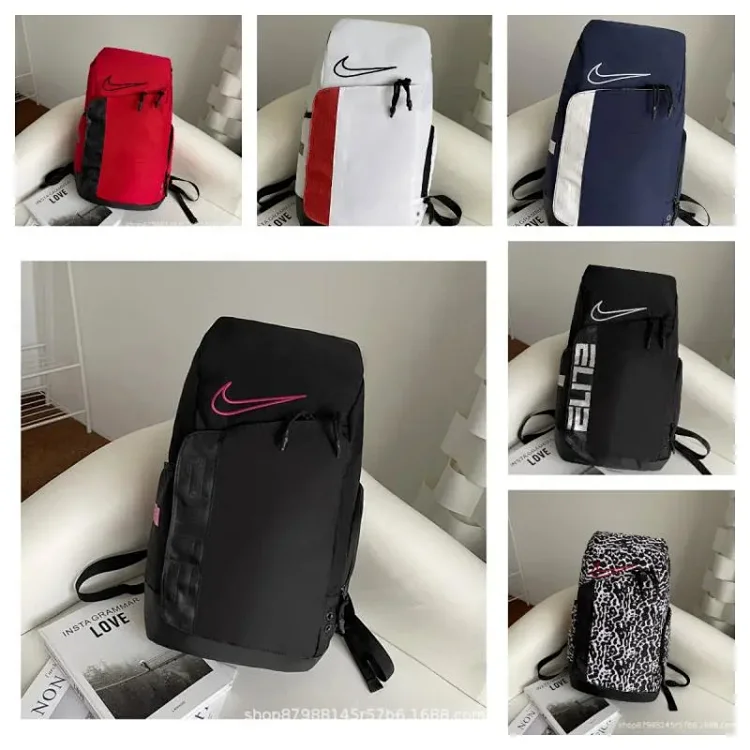
The recorded shortlist includes the Premier League player-version jersey at 88 CNY, the 2024 Premier League jersey at 89 CNY, the Nike Elite backpack at 89 CNY and the Germany jersey at 99 CNY. These figures come from the site's September 1, 2026 catalog snapshot. The names identify source-listing entries; they do not establish authenticity, licensing, performance or current availability. The linked product pages preserve the individual references so you can inspect the current selections.
The 100 CNY threshold is a convenient editorial filter, not a claim that these are the cheapest or best products available. A multi-option listing can display a starting price while the size, style or version you want costs more. Reopen the option selector and record the selected price before comparing two candidates. If the current price crosses your limit, remove that candidate or change the budget explicitly instead of continuing with the old snapshot.
Make a shortlist with comparable fields
Use one row per exact variant and record the reference, selected option, current item price, domestic delivery, important measurements and unresolved questions. Add a column for why you want the item. That last field helps prevent the list from becoming a collection of cheap objects with no planned use. Preserve a screenshot or dated note for a price you intend to act on, while remembering that a saved record does not reserve it.
Keep product evidence separate from price evidence. A seller photograph can show a design, but it does not prove material quality, durability or authenticity. A low price does not establish a defect either. Compare the specific facts available and identify what must be checked at the warehouse. A useful budget decision is based on an acceptable item and a realistic cost, not on an unsupported assumption that inexpensive always means good value or poor quality.
Calculate the item-stage subtotal first
Add the selected product amount, domestic delivery and any applicable order-stage charges shown at checkout. Keep the currency visible. If you pay in a different currency, use the actual quoted conversion and payment charge when available rather than treating the catalog's reference USD conversion as fixed. Record the subtotal before moving to international shipping, so you can tell which part of the total changed when the final parcel is prepared.
For an illustrative calculation, suppose an item is 89 CNY, domestic delivery is 10 CNY and an applicable payment charge is 5 CNY. The item-stage subtotal would be 104 CNY before international freight or destination charges. Those numbers illustrate arithmetic only; they are not a quote for any linked product or a published platform fee schedule. Replace every example amount with the current figures for your own order before deciding whether it fits your budget.
Compare the marginal parcel cost
Adding an inexpensive item to a parcel does not necessarily add only its purchase price. It can change packed weight, dimensions, route eligibility or the next charged weight increment. Compare a parcel estimate without the item and an otherwise equivalent estimate with it. Use the same destination, route assumptions and packaging. The difference is the additional shipping cost relevant to that choice, subject to the final packing and current carrier calculation.
Do not divide the entire freight bill equally between items and assume that proves each item is economical. A bulky product can create more of the parcel cost than a small garment. If the estimates are still too uncertain, record a range or wait for the required measurements rather than inventing a precise saving. A low-priced addition is worthwhile only if you wanted it and the combined cost remains acceptable after the relevant parcel changes.
Avoid buying extra products to justify freight
A larger parcel can sometimes change the average cost per item, but that is not a reason to purchase things you do not need. Compare the absolute total you will pay with and without the extra items. Spending more to report a lower average can still leave you worse off. Keep your original requirements visible when considering consolidation, and check that all selected items are eligible for the same proposed route.
If you are combining orders with another person, agree on the item records, ownership of optional packing costs and how any later adjustment will be handled. Do not assume that one person's small order creates no extra charge. Preserve separate product references inside the shared parcel record. A clear calculation is easier to discuss than a vague promise that buying together must save money, especially when dimensions or route choices change after packing.
Spend checking effort where a mistake matters
For a jersey, verify the exact design, selected size and any personalization. For a backpack, compare the stated dimensions, visible compartments, straps and accessories with the listing. The catalog name alone does not establish capacity, water resistance or suitability for carrying valuable equipment. Ask about a requirement that matters to your use instead of filling the gap with a claim inferred from the product photograph.
Review warehouse evidence promptly and in the context of the purchase price and correction options. A clearly wrong variant may justify a request even for an inexpensive item, while an optional cosmetic preference may not be worth the same effort. Make that judgment from the actual evidence and current rules. Check return conditions before relying on an exchange, and remember that available warehouse storage does not automatically extend the seller's return window.
Keep a reserve for unresolved costs
List the costs that are known, estimated and still unknown. A useful budget leaves space for a legitimate change in shipping or another charge that applies to the transaction. The reserve should reflect the uncertainties in your own order, not a universal percentage copied from an unrelated parcel. If you cannot absorb a plausible change, wait for a more reliable quote or choose a smaller order before committing additional money.
Do not enter false item values or descriptions to make a budget appear workable. Use accurate records and check the current destination requirements through the appropriate official sources. This guide does not supply a universal tax threshold or promise that a route includes every charge. Keep the invoice, payment record, selected items and parcel information consistent so that you can explain the transaction if the carrier or relevant authority asks for clarification.
Decide whether to buy, wait or remove
Finish each row with a decision and a reason. Buy only when the selected item meets your requirements and the estimated delivered cost fits the amount you can spend. Wait when a measurement, option price or parcel quote could change that decision. Remove a candidate when it fails an essential requirement or depends on an unsupported claim. A shortlist becomes useful when it helps you stop as well as proceed.
Use the finds catalog to discover the references, the sizing and QC guides to assess the selected items, and the shipping-cost guide to complete the budget. Recheck a saved price before payment and keep the dated record with the order. The aim is not the largest possible haul below an attractive headline number. It is a smaller set of products you actually want, with clear evidence and a cost you understand.
Product references and related guides
Your next step
Save the exact product and selected option, resolve the details that could change your decision, and check the delivered budget before proceeding. Use the related references to move from a shortlist to a documented order.